
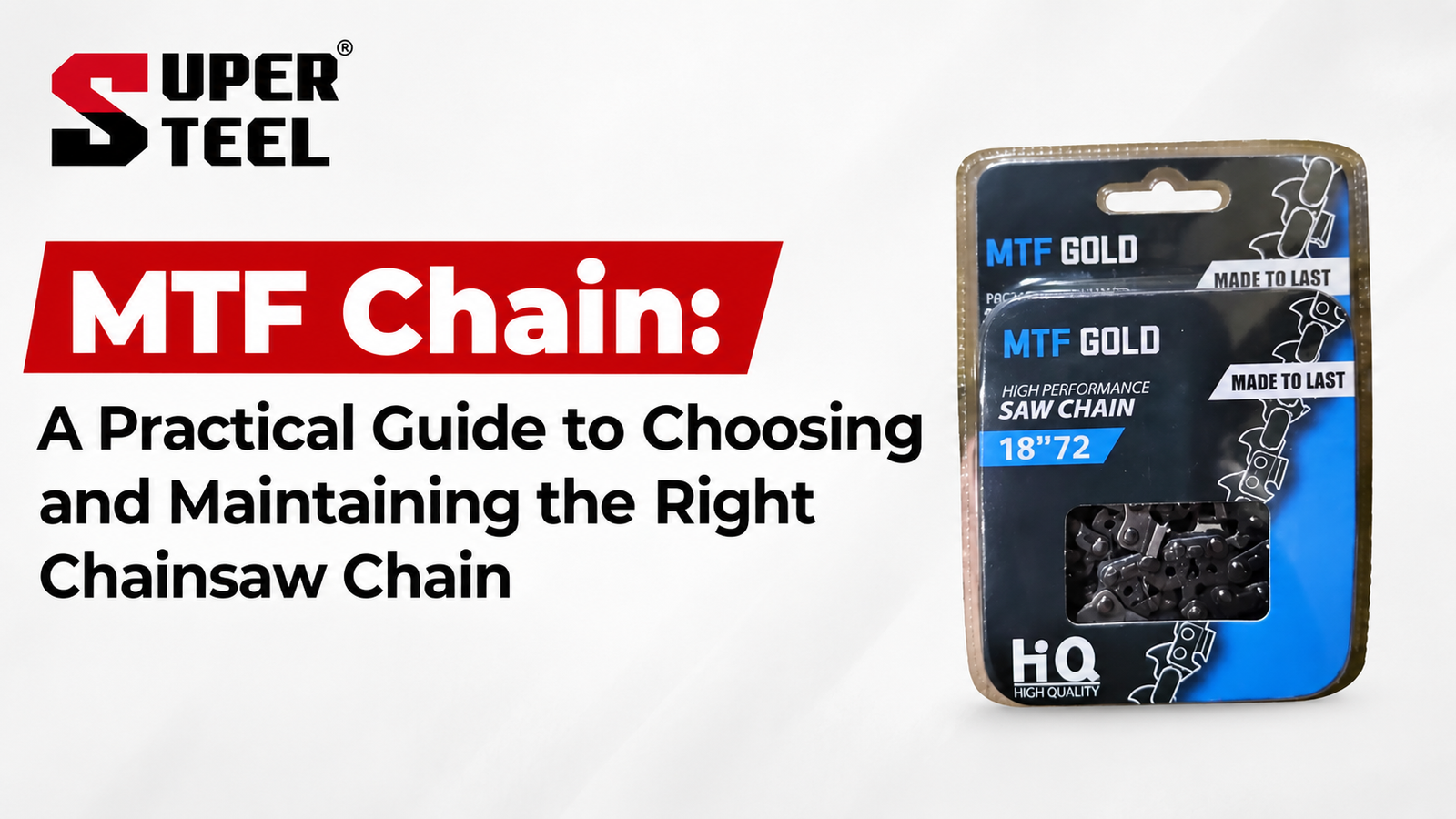
MTF Chain: A Practical Guide to Choosing and Maintaining the Right Chainsaw Chain
A chainsaw is only as effective as the chain fitted to it. The right chain helps deliver smooth cutting, better control, and consistent performance during demanding outdoor work. Whether the task involves pruning branches, cutting firewood, maintaining trees, or handling general wood-cutting work, selecting a suitable chain is essential for achieving reliable results.
For users researching an MTF Chain, it is important to understand the chain’s size, cutting style, compatibility, and intended application before making a purchase. A properly matched chain can also help the chainsaw operate more efficiently while reducing unnecessary wear on the guide bar and other components.
What Is a Chainsaw Chain?
A chainsaw chain is the moving cutting component that travels around the guide bar. It consists of a series of interconnected links with cutting teeth designed to remove wood as the chain moves at high speed.
Chains are available in different sizes and configurations because chainsaws themselves vary in engine power, guide-bar length, and intended use. The chain must match the saw’s specifications, including pitch, gauge, and the number of drive links.
Using the correct combination is important for safe operation and proper cutting performance. A chain that does not match the guide bar or chainsaw can cause poor cutting, excessive vibration, or fitting problems.
Why Chain Selection Matters
Choosing a chainsaw chain should not be based on appearance alone. Different cutting jobs place different demands on the equipment. A homeowner pruning small branches may need a different configuration from someone regularly cutting hardwood or preparing firewood.
The main specifications to check include:
- Pitch: The distance between chain rivets, measured according to the appropriate chain specification.
- Gauge: The thickness of the drive links that fit into the guide-bar groove.
- Drive links: The number of links required for correct fit and tension.
- Cutter style: The shape and design of the cutting teeth can affect cutting characteristics.
- Guide-bar compatibility: The chain must be suitable for the specific bar installed on the chainsaw.
Checking the manufacturer’s specifications before purchasing a replacement is one of the simplest ways to avoid compatibility problems.
Choosing a Chain for Different Applications
The type of work you perform should influence your choice. For pruning and light cutting, a chain designed for controlled and relatively smooth cutting can be suitable. For larger logs and heavier work, users generally need a chain that is compatible with a more powerful saw and appropriate guide bar.
Some chains are designed with full-chisel cutters, while others use different cutter profiles intended for particular working conditions. Full-chisel designs can provide efficient cutting in suitable applications, while other profiles may be preferred when durability and performance in less-than-ideal conditions are priorities.
The key is to match the chain to the chainsaw, material, and working environment instead of selecting a chain solely because it fits physically.
Signs That a Chainsaw Chain Needs Attention
Even a high-quality chain requires regular inspection and maintenance. A dull or damaged chain can make cutting slower and place additional strain on the chainsaw.
Common signs that a chain needs sharpening, adjustment, or replacement include:
- The saw produces fine dust instead of larger wood chips.
- Cutting takes noticeably longer than usual.
- The chainsaw pulls to one side while cutting.
- Excessive vibration occurs during operation.
- The chain does not move smoothly around the guide bar.
- Cutting teeth appear damaged or uneven.
- The chain repeatedly becomes loose during use.
Ignoring these signs can affect cutting performance and may increase wear on the saw. Regular inspection helps identify problems before they become more serious.
Basic Chainsaw Chain Maintenance
Proper maintenance can extend the useful life of a chain. Before carrying out maintenance, always switch off the chainsaw and follow the manufacturer’s safety instructions.
Keep the chain appropriately sharpened and maintain the correct tension according to the chainsaw manufacturer’s recommendations. The guide bar should also be inspected regularly for wear, damage, and debris in the groove.
Lubrication is equally important. Chainsaw chains operate at high speed, so adequate chain oil helps reduce friction and heat during operation. Always use the lubricant recommended for your equipment.
It is also useful to clean the chain and guide-bar area after demanding jobs. Removing accumulated sawdust and debris can help maintain smooth chain movement.
Buying the Right Replacement Chain
When purchasing a replacement, start by checking the information printed on the existing chain, guide bar, or chainsaw documentation. If the required specifications are unclear, consult the equipment manufacturer or a knowledgeable supplier.
A reliable supplier should be able to help you identify the correct chain specifications and ensure compatibility with your equipment. Super Steel Power Tools lists chainsaw-related products, including chainsaw chains, guide bars, and other accessories for cutting equipment.
Frequently Asked Questions
How do I know which chain fits my chainsaw?
Check the pitch, gauge, and drive-link count specified for your chainsaw and guide bar. These three details are essential for selecting a compatible replacement.
How often should a chainsaw chain be sharpened?
There is no fixed interval because sharpening frequency depends on how often the saw is used, the type of wood being cut, and whether the chain encounters dirt or other hard materials. Sharpen it whenever cutting performance noticeably decreases.
Can I use any chain on my chainsaw?
No. Chains are designed for specific guide-bar and chainsaw specifications. Always verify compatibility before installation.
Why does my chainsaw chain become dull quickly?
Cutting dirty or contaminated wood, contacting soil, improper sharpening, insufficient lubrication, and heavy use can all contribute to faster chain wear.
When should a chain be replaced instead of sharpened?
Replacement may be necessary when the cutters are excessively worn, damaged, cracked, or otherwise unable to maintain the required cutting profile after sharpening.
Final Thoughts
The right chainsaw chain can make a noticeable difference in cutting efficiency, control, and equipment performance. By checking compatibility, selecting the appropriate cutter style, maintaining correct tension and lubrication, and inspecting the chain regularly, users can keep their equipment working more effectively.
Whether you are replacing a worn chain or preparing a chainsaw for regular cutting work, taking a few minutes to confirm the correct specifications can help prevent fitting issues and support safer, more consistent operation.